Sunset Shoots on Ocean Drive: Pairing Miami's Golden Hour with the Right Exotic Car
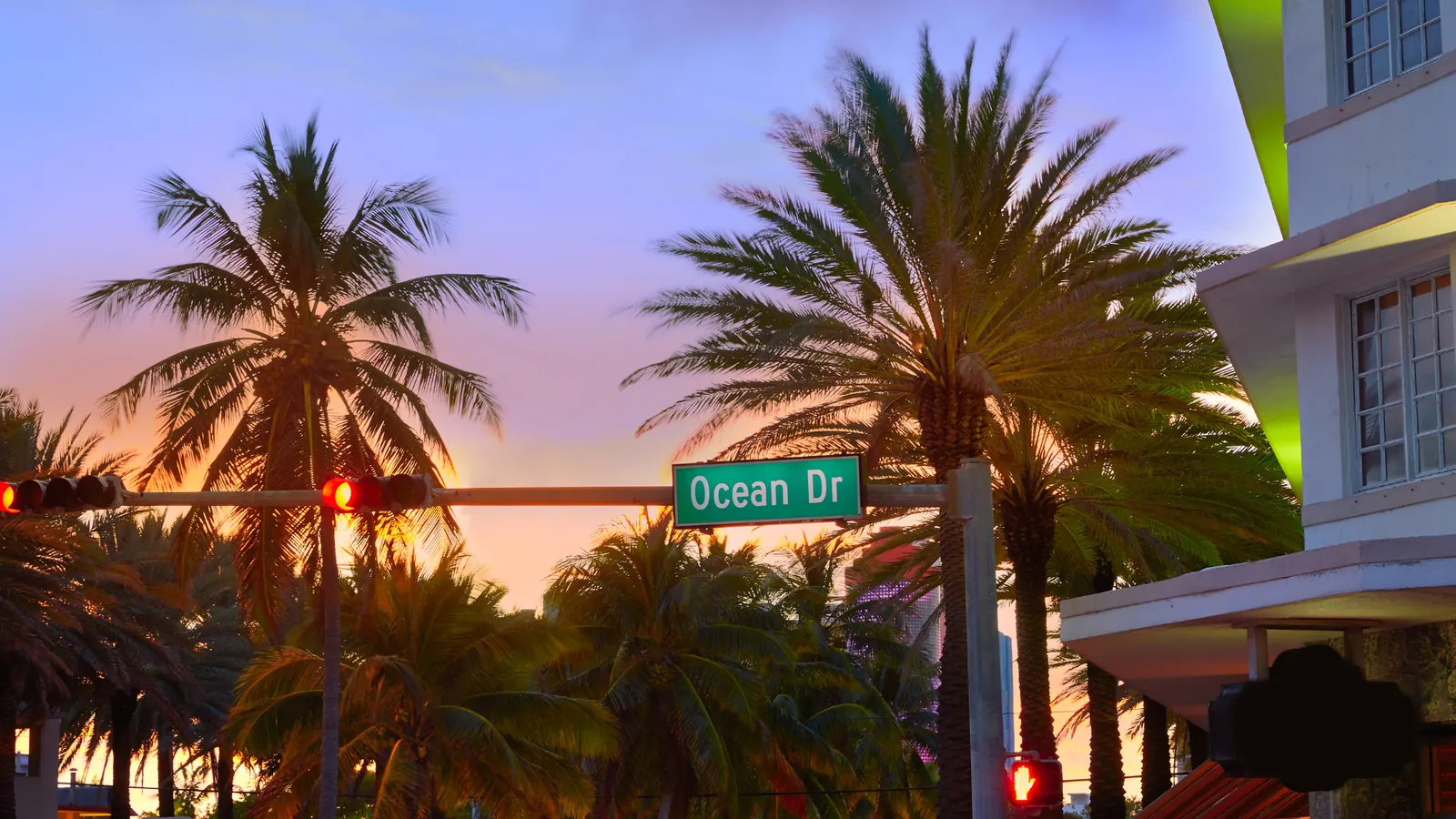
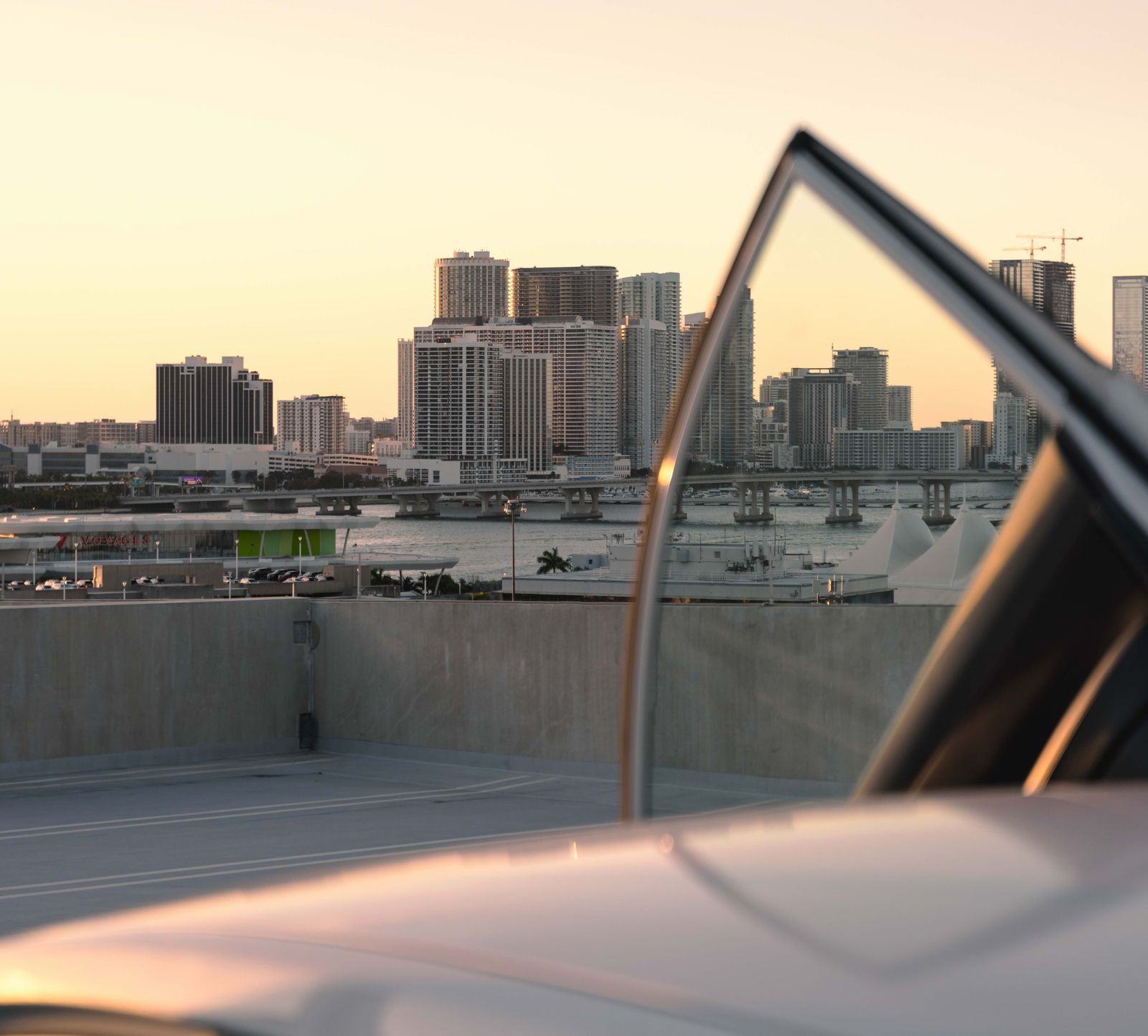
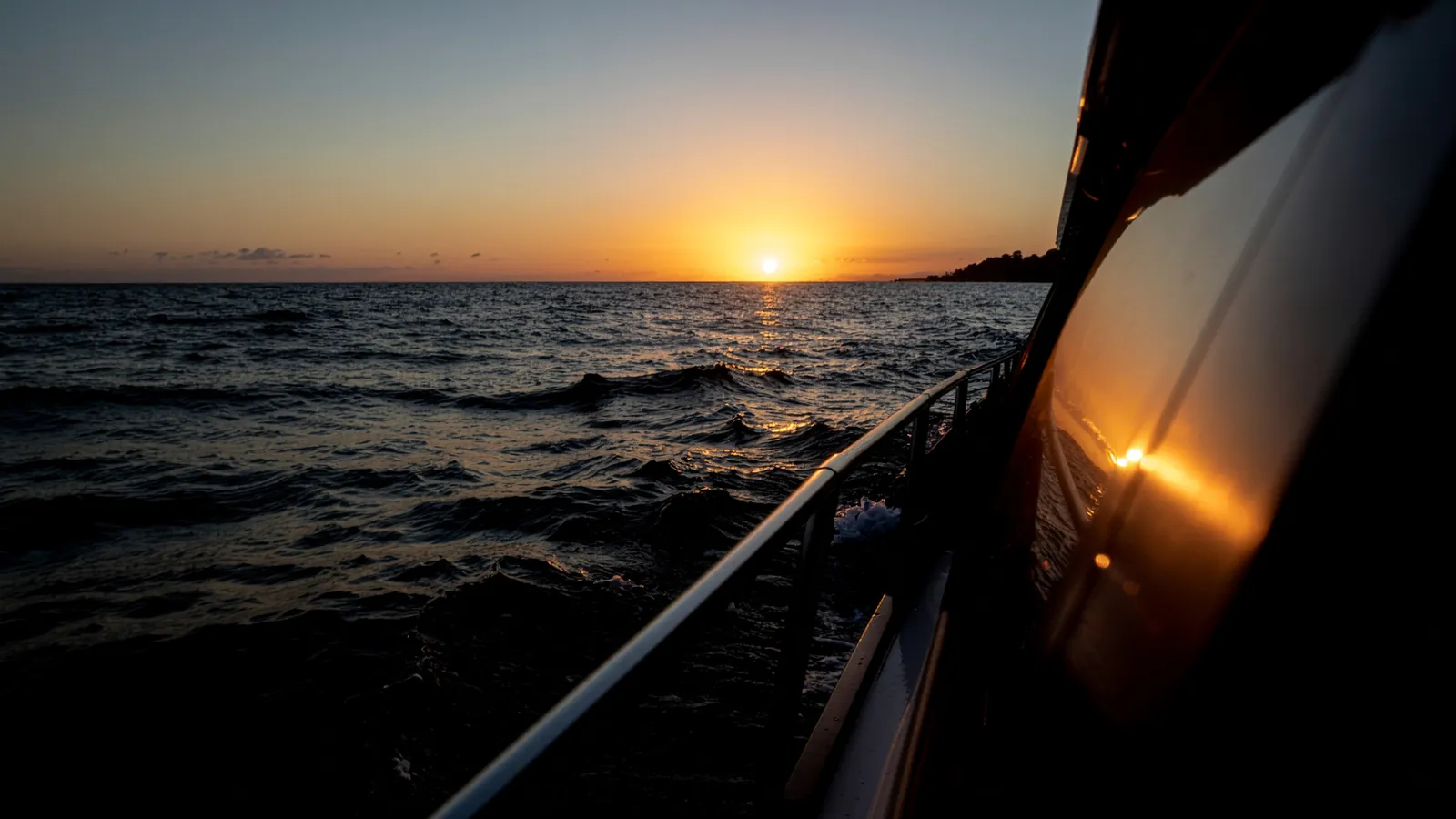
There is a 90-minute window every evening when Ocean Drive becomes the best car photography location in the world. The sun drops toward the Everglades, the light turns gold and then amber, the Art Deco facades glow in warm pastels, and the neon signs begin to flicker on. In that window, an exotic car on Ocean Drive is not just a vehicle. It is art.
This guide covers how to plan and execute a sunset car shoot on Ocean Drive in June 2026: the exact timing, the best positioning, which cars look best in golden-hour light, camera settings, and the logistics of shooting on one of the busiest streets in Miami Beach.
Understanding Golden Hour on Ocean Drive
Golden hour is the period after the sun drops below about 15 degrees above the horizon and before it sets. In Miami in June, the specifics are:
- Golden hour begins: Approximately 6:30 to 7:00 p.m.
- Sunset time: Approximately 8:10 to 8:15 p.m.
- Post-sunset blue hour: 8:15 to 8:45 p.m.
- Total shooting window: About 2 hours from golden hour start to end of blue hour.
Why Ocean Drive Works at This Hour
Ocean Drive runs north-south along the beach. At sunset, the sun is to the west, behind the buildings. This creates three photography advantages:
- The buildings are front-lit by warm, golden reflected light bouncing off the ocean and the atmosphere.
- The car, parked on the east side of the street (facing the buildings), catches the warm light on its surfaces without harsh direct sun.
- The neon signs begin to turn on during the last 30 minutes of golden hour, creating a mix of natural warmth and artificial color that is unique to this location.
Positioning: Where to Park and Shoot
The Best Block
The stretch between 10th and 14th Streets on Ocean Drive has the highest concentration of photogenic Art Deco buildings, neon signs, and visual variety. The Colony Hotel at 736 Ocean Drive is the single most iconic backdrop.
Parking the Car
Metered street parking on Ocean Drive is available but competitive, especially in the evening. Strategies:
- Arrive by 5:30 to 6:00 p.m. to secure a street spot on the 1000 or 1100 block of Ocean Drive (east side, facing the buildings).
- Use a nearby parking garage (7th Street or 12th Street garages) and drive to Ocean Drive specifically for the shoot, having a spotter hold the spot.
- Use valet at one of the restaurants on Ocean Drive. Ask the valet to park the car in a visible front spot (tip generously for this favor).
Camera Positioning
- Low angle from the street side: Shoot from the roadway (safely, between parked cars) at a low angle with the building facades rising behind the car.
- Sidewalk angle: Shoot from the sidewalk across the car, with the palm trees and ocean behind it.
- Three-quarter front: The classic car photo angle, showing the front and one side of the car with the building line extending behind it.
Which Cars Look Best at Golden Hour on Ocean Drive
White or Silver Cars
White and silver cars reflect golden-hour light beautifully. A white Lamborghini Urus or Rolls-Royce Cullinan on Ocean Drive at golden hour glows warm amber on the sun-facing surfaces while remaining cool white in the shadows. This creates natural contrast that photographs with depth.
Red and Orange Cars
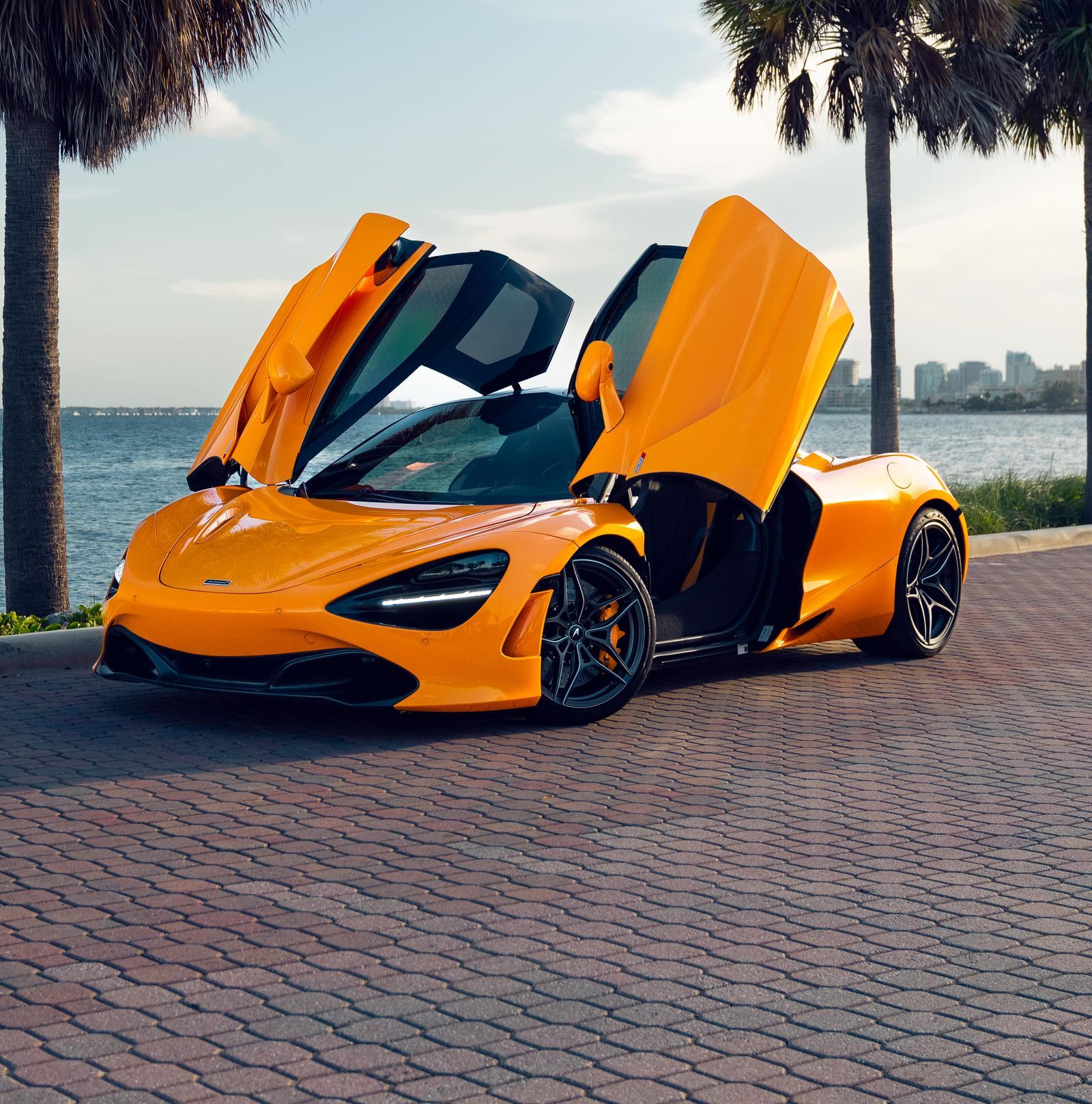
Red and orange cars intensify at golden hour. A red Ferrari F12 Berlinetta looks like it is on fire in the warm light. The color deepens and saturates as the sun drops lower. Against the pastel pink and blue buildings, the red car creates a complementary color palette that is visually electric.
Bright Color Cars (Yellow, Green)
Lamborghini's signature colors (Giallo Auge yellow, Verde Mantis green) create maximum pop at golden hour. The warm light adds a golden tint to the already-bold colors. A yellow Lamborghini against a pink Art Deco building is the quintessential Miami car photo.
Black Cars
Black cars are the hardest to photograph at golden hour because they absorb light rather than reflecting it. However, a detailed black car catches golden-hour reflections on its curves, creating artistic, moody images. Best for experienced photographers who can control exposure and post-processing.
Camera Settings for Golden Hour Car Photography
DSLR or Mirrorless Camera
- Aperture: f/2.8 to f/5.6. Wide apertures blur the background and isolate the car. f/4 is a good starting point.
- ISO: 100 to 400. The June golden-hour light is strong enough to keep ISO low for clean images.
- Shutter speed: 1/200 to 1/500 for parked shots. 1/60 to 1/125 with a panning technique for rolling shots to create motion blur on the background.
- White balance: Set to shade or cloudy (5500-6500K) to enhance the warm tones, or shoot in RAW and adjust in post.
- Polarizing filter: Removes reflections from the car's paint and the building windows. Essential for clean, punchy colors.
iPhone or Smartphone
- Use the 1x or 2x lens. Avoid ultra-wide for car photography (it distorts proportions).
- Tap the car to set focus and exposure. If the sky is too bright, tap the car and drag the exposure slider down slightly.
- Use portrait mode for parked shots with background blur.
- Use cinematic mode for video to create shallow depth-of-field driving clips.
- Turn on the grid overlay for composition alignment.
The Shoot Timeline: Minute by Minute
5:30 p.m.: Arrive and Secure Position
Get the car to Ocean Drive and parked. Scout the angles. Identify your primary and backup shooting positions. Clean the car's surfaces one final time (microfiber cloth for fingerprints on paint).
6:00 to 6:30 p.m.: Pre-Golden Hour Warm Up
Take test shots to check exposure and composition. The light is still relatively neutral, which is good for behind-the-scenes content and setup shots. Capture detail shots of the car (badge, wheel, interior) while the light is even.
6:30 to 7:15 p.m.: Early Golden Hour
The warm light arrives. This is the window for the hero shots: the car against the building, three-quarter angles, wide establishing shots. The light is warm but not too orange. Colors are rich and skin tones are flattering for any lifestyle shots with people.
7:15 to 8:00 p.m.: Deep Golden Hour
The light intensifies. Shadows grow longer. The neon signs begin turning on. This is the magic window where natural golden light and artificial neon coexist. Shoot fast because the light changes every 5 minutes. Prioritize your best angles and compositions.
8:00 to 8:30 p.m.: Blue Hour
The sun sets and the sky transitions from warm to cool blue. The neon signs are now the primary light source. This is the window for moody, atmospheric shots with the car lit by neon reflections. Slower shutter speeds may be needed; use a tripod or stabilize against a solid surface.
Logistics and Considerations
- Crowds: Ocean Drive is busy in the evening. You will have pedestrians in your frame. Use them as context or wait for brief clearings. Do not set up equipment that blocks the sidewalk.
- Police: Do not block traffic lanes or park illegally. Ocean Drive enforcement is active in the evening hours.
- Other cars: You may have other vehicles parked next to yours. Arrive early for the best positioning.
- Restaurant patrons: The outdoor dining areas spill onto the sidewalk. Be respectful of diners and staff.
- Music: Restaurants play loud music in the evening. This can add atmosphere to video content or be distracting for audio-focused shoots. Plan accordingly.
- Safety: Do not leave the car unattended with doors open or valuables visible. Have a second person watch the car while you shoot from a distance.
Frequently Asked Questions
Do I need a permit to photograph a car on Ocean Drive?
Casual photography from public spaces (sidewalk, street) does not require a permit. Commercial shoots with equipment, crew, or road closures may require permits from the City of Miami Beach.
Can I do a rolling shot on Ocean Drive?
Yes, but traffic moves slowly in the evening (15 to 25 mph) and you must obey all traffic laws. A passenger in a second vehicle or a pedestrian on the sidewalk can capture rolling shots safely.
What is the best car color for Ocean Drive at sunset?
White and red produce the most versatile results. Yellow and green create the highest visual impact. Black requires more skill to expose correctly but produces artistic results.
How long should I plan for the shoot?
Allow 2.5 to 3 hours on location: 30 minutes for setup, 2 hours for the golden hour and blue hour shooting window.
Can I shoot at night after blue hour?
Absolutely. The neon-lit Ocean Drive at full dark (9 to 11 p.m.) creates a completely different aesthetic. Night shots with long exposures and neon reflections are a separate content category worth exploring.
Should I bring a photographer or shoot solo?
A second person dramatically improves the shoot: they can spot the car, direct traffic, capture candid shots of you with the car, and handle equipment changes.
Can Rushing Rentals deliver the car to Ocean Drive?
Yes. The team can deliver the car to a nearby location. Coordinate the delivery timing to have the car in position before golden hour begins.
What if it rains during golden hour?
June afternoon storms usually clear before golden hour. If a storm lingers, the post-rain wet streets create incredible reflections that can actually improve the shoot. Overcast golden hours produce softer, more diffused light.
Book Your Golden Hour Car with Rushing Rentals
The sunset shoot on Ocean Drive is a Miami rite of passage for car content creators. The combination of golden light, Art Deco architecture, neon signs, and an exotic car produces content that defines feeds and builds audiences.
Rushing Rentals delivers the car detailed, fueled, and ready for your lens. Browse the fleet and book your golden-hour car at rushingrentals.co. Arrive early, shoot fast, and let the Miami light do the rest.
For more car photography and content creation guides, visit the Rushing Rentals blog.