South Florida's Best Oceanfront Drives This Fall
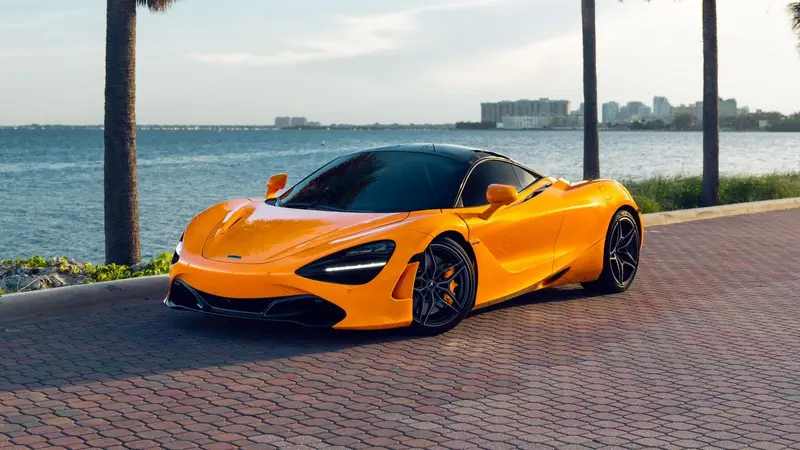
Picture the Rickenbacker Causeway just before six in the morning. The road is nearly empty, the air still holds a hint of overnight cool, and as you crest the bridge heading east the ocean turns from gray to gold. Biscayne Bay opens up on both sides. There is almost no one to share it with. This is South Florida at its quiet best, and most visitors never see it because they assume the only time to come here is peak winter.
They are missing something. Early fall is a quietly ideal window for scenic drives in South Florida, and it flies under the radar for a simple reason: it sits between the summer crowds heading home and the winter crowds who have not yet arrived. This is not a generic list of pretty roads. It is a timing and conditions guide, built around the three variables that actually shape a September or October drive: a winding-down hurricane season, thinner shoulder-season traffic, and cooler sunrise temperatures that make top-down driving genuinely comfortable again.
We write this from six-plus years of running exotic rentals out of Aventura and North Miami Beach, watching how these coastal routes behave month to month. If you want the short version, here it is: drive early, watch the radar. Below is the long version, including which routes reward the effort, when to launch, and which car fits which drive. You can read a little about who we are on our About page, but the useful stuff starts now.
What Actually Changes on South Florida Roads in Early Fall
The seasonal shift is real, but it is not uniform across the day. At sunrise, the heat and humidity that define a South Florida summer ease noticeably. You can put the top down and actually enjoy the air instead of fighting it. By late morning that comfort fades, and by afternoon you are back in classic subtropical conditions: heavy humidity and a real chance of pop-up thunderstorms rolling in off the Everglades or the Atlantic.
So the honest framing for this whole piece is worth repeating: drive early, watch the radar. Early fall does not hand you a perfect-weather week. It hands you excellent mornings and unpredictable afternoons. Plan around the mornings and you will have a far better time than someone who assumes any hour of daylight is fair game.
The Weather Trade-Offs, Honestly
Sunrise and the first couple of hours after are the sweet spots for open-top driving in September and October. Temperatures are down from their July peak, the light is soft and low, and the roads are at their emptiest. That combination is hard to beat.
Afternoons are a different story. Humidity climbs, and the daily convection cycle that defines this region often produces fast-building thunderstorms, sometimes with heavy rain and lightning that arrive with little warning. It is not dangerous if you respect it, but it does mean a mid-afternoon coastal cruise can get interrupted.
There is also the calendar to acknowledge plainly. September and October fall inside the Atlantic hurricane season, which runs through the end of November. Most days are perfectly drivable. But conditions can shift over a span of days when a system is in the basin, and the responsible move is to stay aware rather than assume. We will cover exactly how to check in the next section. The point here is balance: this window is genuinely good for driving, and it also asks for a little more attention than a dry, settled January morning.
Why the Shoulder Season Beats Peak Season for Driving
Here is the underrated advantage. The lull between the summer tourists leaving and the winter snowbirds arriving means the roads are calmer than they will be from December through March. A1A moves better. Parking near the beach is easier to find. The causeways are not stacked up. If you have driven Ocean Drive on a packed February weekend, you know the difference a quiet Tuesday in October makes.
For anyone chasing the best scenic drives in Miami, that emptiness is more than a convenience. Fewer cars in the frame is a real benefit if you are shooting content, and the low-angle fall light does flattering things to both the car and the coastline. You get cleaner shots, less waiting, and more room to actually enjoy the drive instead of managing traffic. The shoulder season is the enthusiast's season, even if the marketing calendar rarely says so.
Post-Hurricane-Season Road Realities (Check Before You Go)
This is the most practically valuable section in the piece, so read it even if you skim the rest.
South Florida's most scenic roads are also its most exposed. A1A hugs the dune line for miles. The causeways sit low over open water. The Overseas Highway runs across a chain of islands with the ocean on both sides. That exposure is exactly what makes these drives beautiful, and it is also what makes them vulnerable after a storm passes through or even after a heavy rain event.
In the days following a system, exposed coastal stretches can see sand drift across the roadway, scattered debris, standing water in low spots, and occasionally temporary closures while crews clear and inspect. None of this should scare you off. Most of the time, most of these roads are open and clean. But you should never assume conditions on a coastal drive in early fall. Check first, every time. It takes two minutes and it is the single habit that separates a smooth morning from a wasted one.
A Quick Pre-Drive Conditions Checklist
Keep this simple and repeatable:
- FL511 is your first stop for real-time road conditions, incidents, and closures across Florida's highways and major routes. Check it the night before and again the morning of.
- The National Weather Service and the National Hurricane Center, along with local advisories, cover weather and any active systems in the Atlantic. During hurricane season this is not optional reading; it is part of the plan.
- Check the radar the morning of your drive. Conditions in South Florida can turn quickly, and a clear sunrise can give way to storms by early afternoon. Time your run to the clear window.
- Build in a flexible backup. If the morning does not cooperate, have a second window in mind rather than forcing it.
- After any recent storm, verify bridge and causeway status specifically. Low crossings are the first to be affected and the first to reopen once inspected.
One more note. A local rental operator tracks these conditions too, because it is our cars and our clients on the road. When you book with a company that knows the area, you get more than a key. You get someone who can tell you whether the Rickenbacker is clear this morning or whether you are better off waiting until the afternoon cell passes. That local read is part of what you are paying for, and it matters more in September and October than at any other time of year.
The Routes: Where to Drive and What to Expect
We keep the route list lean on purpose. You do not need forty options. You need four good ones with realistic timing and honest expectations, so you can pick the drive that fits your morning. Here they are, from the shortest cruise to the most committing run.
Ocean Drive and Collins Avenue up to Sunny Isles
Start in the Art Deco heart of South Beach on Ocean Drive, then move over to Collins Avenue and work your way north. This is a cruise, not a speed run. Ocean Drive is slow by design, thick with pedestrians and character, so let it be a warm-up. As you head north on Collins, the scenery shifts from pastel deco to the tall glass towers of Sunny Isles Beach.
At an easy pace with a stop or two, this is an hour or so of driving, more if you linger. The payoff is the beachfront light in Sunny Isles at sunrise, when the towers catch the first sun and the sand is empty. It is one of the most photogenic stretches in the area, and in the shoulder season you can actually enjoy it without the crowds.
A1A North Through Fort Lauderdale and Las Olas
This is the classic South Florida coastal ribbon. Pick it up around Haulover, run north through Hollywood, and continue into Fort Lauderdale Beach and the Las Olas area. Palm-lined, open to the water in stretches, and built for a relaxed pace.
Figure roughly an hour to ninety minutes one way depending on traffic and how often you stop, longer if you take your time through the beach towns. This is a strong candidate for a top-down morning. The road opens up, the light comes in from the east, and the whole run has an easy, unhurried rhythm that suits an early start.
The Rickenbacker Causeway to Key Biscayne
If you only have time for one short drive, make it this one. The Rickenbacker Causeway delivers the best eastbound sunrise light in the area, full stop. You climb the bridge with the bay on either side, roll through toward Crandon Park, and can continue all the way to Bill Baggs Cape Florida State Park at the southern tip of Key Biscayne.
The whole thing is compact and easy to loop, which is exactly why it is our top pick for a first drive or a quick content session. You can be out and back before the morning heat builds, and you will come away with the best light of the day. For anyone new to the area or short on time, this is the highest payoff for the least commitment.
The Overseas Highway Toward the Keys (with the Card Sound Road Alternative)
This is the longest one, the most committed run on the list. US-1 south takes you off the mainland and onto the island chain, through Key Largo and beyond, with water on both sides for long stretches. It is genuinely spectacular, and it is a real time investment. Even reaching the upper Keys and turning back is a solid half day. Going deeper turns it into a full day. Plan accordingly, fuel up, and do not treat this as a quick loop.
For a quieter, more atmospheric approach, consider Card Sound Road as an alternative entry to the upper Keys. It is the older, less-traveled route, with the toll bridge and the open marsh landscape that feels a world away from the main highway. Either way, this is a drive that rewards a comfortable grand tourer or a composed sports car over a stiff, track-focused machine. You will be in the seat for a while, and comfort at a steady cruise matters more here than outright edge.
The Sunrise Drive Playbook
In early fall, sunrise genuinely beats midday, and it is not close. You get cooler air, softer and more directional light, empty roads, and far fewer people in your shots or your way. Every advantage the season offers is concentrated in the first two hours of daylight. This is the how-to-actually-do-it section, and it comes back to the same principle: drive early, watch the radar.
When to Launch
Aim to be rolling before or right at first light. In September and October, sunrise creeps in a little later through the season, so check the actual sunrise time for your specific date rather than trusting a fixed number. Then back up from there. Give yourself a buffer for getting to the route, finding legal parking, and setting up if you are shooting. The single most common mistake is launching too late and arriving at the good spot just as the light goes flat and the first cars appear.
Where the Light Hits Best
Two locations stand out for direct sunrise light. The Rickenbacker eastbound puts the sun straight ahead of you as you cross the causeway, which is dramatic to drive and to photograph. The Sunny Isles beachfront catches the first sun on the towers and the sand, giving you a clean urban-meets-ocean backdrop.
Both have decent pullover and parking options, but use them responsibly. Park legally, stay off the sand where it is restricted, and do not block traffic or access for a shot. The empty early roads are a gift; do not abuse them.
Why Sunrise Wins in Early Fall Specifically
The magic is in the overlap. Sunrise on its own is always the best light. Early fall on its own is the emptiest, calmest stretch of the year. Put the two together and you get the season's cool mornings combined with off-peak quiet, a combination you simply cannot get in the peak-crowd winter months at any hour.
The trade is honest: you set an early alarm. That is the whole cost. In exchange you get the best conditions of the day, the emptiest roads of the year, and light that makes both the coastline and the car look their best. For anyone serious about the drive or the content, it is an easy trade to make.
Which Car Suits Which Drive
Matching the car to the route and the goal beats simply grabbing the loudest thing on the lot. The right pairing makes the whole morning better. Here is how we think about it.
Convertibles and Spyders for the Coast
For A1A, Collins, and the Rickenbacker, the entire point is open-top cruising, so an open car is the obvious call. This is where a convertible earns its keep. You feel the cool morning air, you hear the ocean, and the car becomes part of the scenery rather than a box you are looking out of.
The hero pick here is the Lamborghini Evo Spyder in Blue Orange. Top down on the causeway at sunrise, it is exactly the kind of car these coastal routes were made for. A convertible rental in Miami is one of those things that sounds indulgent until you actually do it at six in the morning on an empty A1A, at which point it makes complete sense.
GT and Sports Cars for the Overseas Highway
The longer runs reward composure and comfort at a steady pace. On the Overseas Highway, where you might be in the seat for hours, you want a car that stays comfortable and settled at a cruise rather than one tuned for short, sharp bursts. That is the domain of a proper sports or grand touring car.
Two strong choices: the Corvette C8 3LT, which pairs real performance with a livable interior and a surprisingly comfortable long-haul demeanor, and the Audi R8 Coupe V10 Plus, which delivers a naturally aspirated soundtrack and enough refinement to make the miles pass easily. Either will make the Keys drive a pleasure rather than a chore.
SUVs for Groups and Comfort
Not every drive is a two-seat affair. If you are rolling with family, a crew for a weekend, or a content team hauling camera gear and lighting, you want space and comfort. That is where an SUV makes the day work.
The Cadillac Escalade is the natural pick here: room for people and equipment, a commanding ride, and enough presence that it still feels like an occasion. It is one of the more practical ways to handle the classic list of things to do in Miami on a supercar weekend, because it lets the whole group move together while the exotics stay free for the actual driving and shooting. If you want to see how the pieces fit together, the broader luxury collection covers the full range from open-top exotics to comfortable haulers.
Practical Rental Logistics for a Fall Drive
Let us address the anxieties directly, because a good scenic drive should not come with surprise fine print. When people research exotic car rental in Miami, the recurring worries are hidden fees, unclear requirements, and whether the company is legitimate. Here is the plain version.
Requirements and Deposits
The baseline requirements are straightforward. You must be at least 18 years old, hold a valid driver's license, and carry active personal car insurance that will cover you on the vehicle. If you do not carry your own insurance, that does not end the conversation; the chauffeur option, covered in the next section, keeps you on the road without a personal policy.
A refundable security deposit applies, and it is standard practice across the industry to protect a high-value vehicle. For younger drivers in the 18 to 21 range, that refundable deposit can run higher. We keep the terms clear up front rather than springing them at pickup, and we talk in honest ranges rather than fixed numbers because rates and deposits move with the car, the season, and the length of the booking.
On legitimacy, the record speaks for itself. We were founded in 2020, have six-plus years of experience, have served 750-plus clients, run a fleet of 25-plus vehicles, and operate from 3-plus locations, based in Aventura and North Miami Beach. That is not a fly-by-night setup, and you should never have to wonder whether the car will match the listing or whether someone will answer when you call.
Airport Pickup and Longer Stays
If you are flying in for a fall weekend, logistics in an unfamiliar city are usually the biggest friction point. We coordinate airport pickup and drop-off to smooth that out, so you land and step into the experience instead of wrestling with rideshares and transfers.
For longer trips, multi-day and monthly rental options make more sense than a single day. Extended stays, snowbirds arriving ahead of winter, or anyone who wants to really settle into the region can spread the cost and the experience across a longer window. It is meant to be flexible, not a hard sell. Book the length that fits your trip.
Prefer Not to Drive? The Chauffeur Option
Not everyone wants to be behind the wheel, and that is a perfectly good choice. Maybe you would rather focus entirely on shooting content, take in the coastline without watching the road, or you simply do not carry your own insurance. Our chauffeur service covers the driving while you enjoy the ride.
It works especially well for a sunrise photo session on the Rickenbacker, where having someone else handle the car frees you to concentrate on the shot. It suits group outings where nobody wants to be the designated driver, and it opens the whole experience to anyone who wants the car and the coast without the responsibility of the wheel. Balanced and simple: same routes, same light, same cars, none of the logistics.
Frequently Asked Questions
Is September or October a good time for scenic drives in South Florida?
Yes, with real caveats. The advantages are genuine: cooler sunrises make open-top driving comfortable again, and lighter shoulder-season traffic means calmer roads and easier parking. The caveats are equally real. September and October are inside hurricane season, and afternoons frequently bring humidity and pop-up storms. The formula that makes it work is simple: for the best scenic drives South Florida fall has to offer, drive early and watch the radar.
How do I check road and weather conditions before a coastal drive?
Use FL511 for real-time road conditions and closures, and the National Weather Service and National Hurricane Center along with local advisories for weather and any active systems. Check the radar the morning of your drive and keep a flexible backup window in case the first one does not cooperate. After any recent storm, verify bridge and causeway status specifically, since low coastal crossings are affected first.
What's the best oceanfront route for a first-time visitor?
The Rickenbacker Causeway to Key Biscayne. It is short, easy to loop, and delivers the best eastbound sunrise light in the area, which makes it the highest payoff for the least commitment. If you want something longer, A1A north through Fort Lauderdale gives you an extended coastal cruise with plenty of palm-lined open roads.
What car should I rent for the Overseas Highway versus a quick beach cruise?
For short coastal runs like A1A, Collins, or the Rickenbacker, a convertible or spyder is ideal because the whole point is open-top driving. For the longer Overseas Highway run to the Keys, a comfortable GT or sports car that stays composed at a steady cruise makes far more sense. For groups or a content crew with gear, an SUV keeps everyone together in comfort.
What are the requirements to rent an exotic car in Miami?
You must be at least 18, hold a valid driver's license, and carry active personal car insurance. If you do not have your own insurance, you can book the chauffeur service instead. A refundable security deposit applies, and it can be higher for drivers in the 18 to 21 range. We keep the terms clear before you book.
Can you pick me up from the airport?
Yes. We offer airport pickup and drop-off, which is especially useful for visitors coordinating a same-week or weekend booking in an unfamiliar city. Land, get in the car, and start the trip without the usual transfer hassle.
Plan Your Fall Drive
Early fall rewards the early riser who checks conditions. Trade one early alarm for calmer roads, cooler air, and the best light of the year, then match the route and the car to the kind of morning you want. Drive early, watch the radar, and September and October will treat you better than most people expect.
When you are ready, browse the fleet and book at Rushing Rentals, or head straight to the luxury collection to find the car that fits your drive. For airport pickup or a same-week booking, call or WhatsApp us at (850) 218-5463, email info@rushingrentals.co, or reach out on Instagram at @rushingrentals. And if you want more route ideas and how-to reading before you go, browse the Blogs page. The roads are quiet right now. Go enjoy them.